Sermon for Advent 1, Sunday 27th November 2022

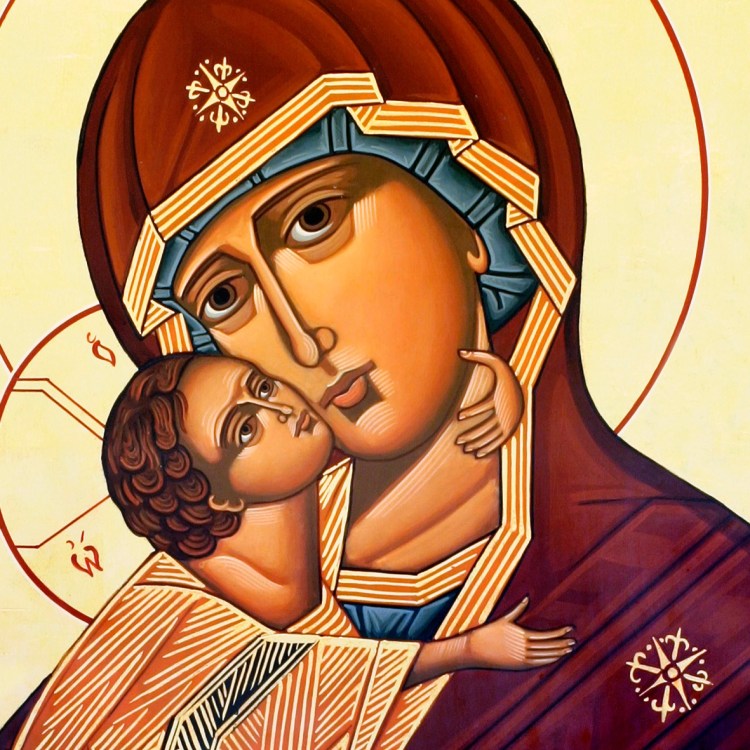
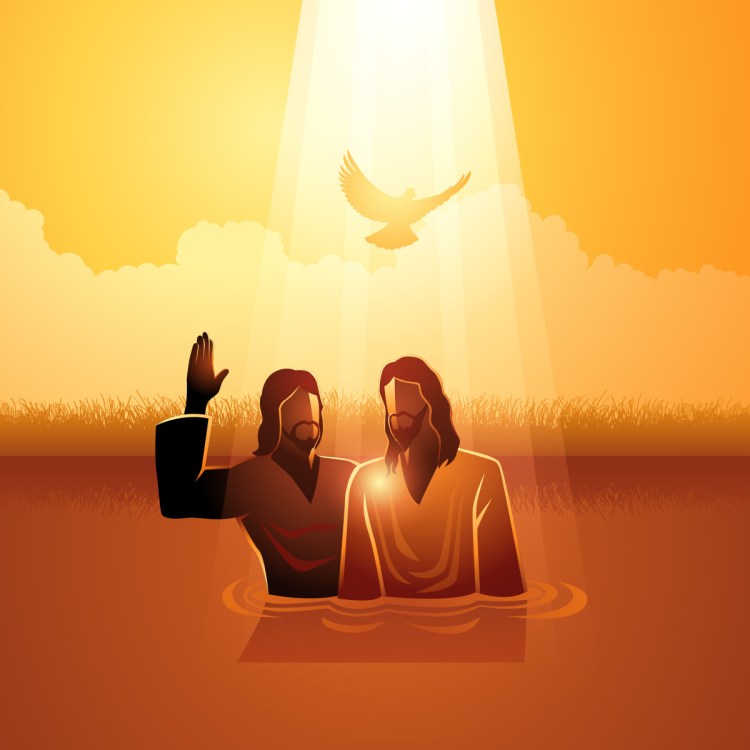
Today is Advent Sunday and so, once again, we’ve come to the season of Advent and the start of a new Church year. For us in the Church, just like for everyone else, this is the time when we make our preparations for Christmas which, for us in the Church at least, means preparing to celebrate the birth of our Lord Jesus Christ. One of the ways we do that during Advent is through our readings in Church when we hear from and think about the great figures of Advent. The prophet Isaiah who was commissioned by God to be the prophet of the Advent, the one who foretold the coming of the Messiah. And about some of the other people whose coming Isaiah foretold too. John the Baptist, the messenger who was sent by God to prepare the way for the Messiah, for Christ, and Mary, the virgin who was chosen by God to be the mother of his Son. And of course, we think about Christ too, about Jesus, whose birth we’ll celebrate at Christmas.

But during Advent, our readings call us to prepare for the coming of Christ in two ways. We’re called to prepare to celebrate his first coming when he was born as a human child just over 2,000 years ago in Bethlehem, but we’re also called to prepare for his second coming too, the time when Christ will come again, this time in great power and glory to judge all things and all people and finally bring the age of peace that was promised at his first coming all those years ago.

This is how we’re called to spend Advent every year, by hearing from Isaiah, and from and about John, Mary and Jesus, in preparation for these two comings of Christ. But today, I want to speak to you about another character we associate with Christmas. Not one we read anything about in the Scriptures, although one that is based on a genuine 3rd Century saint of the Church, and that is that jolly old fellow with glasses, with white hair and beard, who wears a red suit, Father Christmas (and I absolutely refuse to call him by that American name which is a corruption of the Dutch name of the said saint, Sint Nikolaas).

It’s a sad, but inescapable fact that, in the popular culture of our society, Christ has been largely removed from the feast that bears his name, Christmas. In fact, these days, we’re just as likely to hear the season referred to as the ‘Festive Season’ or the ‘Holiday Season’ as we are to hear it given it’s proper name. And we’re even less likely to hear any mention of Jesus during the secular build up to the secular celebration of Christmas. But we will hear a lot about Father Christmas, even if he often won’t be called that. That is very sad, but it is a sign of the times and the society we live in. And there’s no point in burying our heads in the sand; we have to deal with things the way they are rather than the way we’d like them to be. But, if we can find a link between Jesus and Father Christmas, we can be reminded of the real meaning of Christmas, and what Advent is really all about, regardless of the absence of Jesus in the secular preparation for and celebration of Christmas. If we can find that link, we can be reminded of Jesus, and of the true meaning of Advent and Christmas each and every time we see an image of or hear the name of the jolly old fellow in the red suit. And I think that link is there and it’s one we can all see and understand.

If we think back to our childhood, I’m sure we can all remember being told, probably by our parents, something like,

“If you don’t behave, Fr Christmas won’t come, and you won’t get any presents!”

Those of us who are parents ourselves will no doubt have said something like that to our own children too. It’s a way to keep children well-behaved, or at least, not too badly behaved. It’s a warning, perhaps even a threat, to stay in the good book and off the naughty list, or else! But isn’t that, to all intents and purposes, one of the central messages of Advent? Not to be good or Jesus

won’t come, but to be good so that we’re ready when he does come, or else! Just think about this morning’s Gospel.

The passage we read this morning comes shortly after Jesus had spoken about his return in glory when he will send out his angels to gather together his chosen people. We know that when this happens, those who are chosen will inherit the kingdom that God has prepared for them, a place in which those who are chosen will live for eternity in love, happiness and peace. But this morning’s Gospel makes it clear that not everyone will be chosen, only those who are ready for Jesus’ return will be chosen.

Jesus tells us in a number of parables that being ready for his return means to be busy doing the Father’s will, but, as we read this morning, because we don’t know when Jesus will return, we have to be ready at all times. As Jesus puts it,

“Therefore, stay awake, for you do not know on what day your Lord is coming. But know this, that if the master of the house had known in what part of the night the thief was coming, he would have stayed awake and would not have let his house be broken into. Therefore you also must be ready, for the Son of Man is coming at an hour you do not expect.”

So, if we want to be chosen to receive the good gifts that God has promised to those who love him, to those who do his will, we have to be ready to receive them at all times because Jesus may return with them at any time. In other words, we have to be good, or else! We have to be in God’s good books and stay off his naughty list, or else! Or else we won’t get the good gifts that God has promised to his chosen people and which Jesus will come again to bring. In fact, if we’re not ready for him, when Jesus does return, it might not even be the case that we get nothing at all, but that we might get something we really don’t want – the punishment reserved for those who aren’t faithful to God and who aren’t busy doing his will, the

“…eternal fire prepared for the devil and his angels.”

as Jesus puts it a little later in St Matthew’s Gospel.

It might seem a little flippant to speak in terms of staying in God’s good books and off God’s naughty list, but I’m only borrowing here from that book so beloved by generations of Anglicans, the Book of Common Prayer where, in the service for the ordination of priests, we find those who are about to be ordained being exhorted to,

‘… seek after Christ’s sheep who are dispersed abroad and for his children who are in the midst of this naughty world, that they may be saved through Christ for ever.’

So stay in good books and off the naughty list. Be good or Father Christmas won’t come, and you won’t get any presents. Be good or when Jesus comes you won’t get the good things that God has promised to his chosen, faithful servants.

It is very sad that our society has largely succeeded in taking Jesus out of Christmas and, in a sense, has replaced him with Father Christmas, but if we can see and remember this connection between them, we can be reminded of Jesus every time we see Father Christmas.

If we can see and remember this connection, we can be reminded of the real meaning of Christmas and the reality of what we’re preparing for during the season of Advent every time we see the jolly

old fellow in the red suit, whatever he may be called when we see him. If we can see and remember this connection, then no matter if we never hear Jesus’ name mentioned nor see his image outside the Church during our Advent preparation for Christmas we can be constantly reminded during this season of our need to be about God’s work and to be doing his will. Not just during Advent, as we prepare to celebrate Christ’s birth in Bethlehem just over 2000 years ago, but each and every day of our lives as we await his return in glory so that we will be ready to be chosen and receive the good gifts he will come to bring us.

Amen.


The Propers for Advent 1 can be viewed here.

Sermon for Christ the King, 20th November 2022

Christ King

I don’t think there’s any doubt that the greatest tragedy of the Church, and its greatest collective sin, is that it is so divided. And it is tragic, both for the Church and for the world that, over the years, Christians have been so unable and so unwilling to love one another as Christ commanded us to, that we’ve allowed the Church to separate into various denominations and have been so pompous and so arrogant in our own beliefs and opinions that we’ve been unwilling to unify the Church unless it’s on our own terms. In other words, unless all other Christians agree that we were right all along and agree to do things our way.

But have you ever stopped for a moment to consider just how ridiculous our arguments are? Have you ever stopped to consider just how pompous and arrogant we are when we take part in these arguments? And they are ridiculous, and we are arrogant and pompous. Just think about it. We all believe in the same God and claim to be disciples of the same Lord Jesus Christ, so what are we arguing about? We argue about worship. We all agree that we should worship the Lord, but we argue about how we should worship him and in our arrogance, we say that our way is the right way. In effect, in our arrogance and spiritual pride, we say that our worship is more acceptable to God than anybody else’s worship. We argue about the Scriptures. We all agree that the Scriptures are the word of God, but we argue about how to interpret Scripture and we insist that our interpretation is the right one. In effect, in our pomposity, we make our words, the word of God. And we all agree that we’re disciples of Christ, followers of Christ. But, because we argue about Scripture, we put our own interpretation on Christ’s teaching and example and so, far from being his followers, in our pomposity and arrogance, we make him, our follower. In effect, we make the one whom we acclaim today as our King, our subject. And perhaps one of the most ridiculous of our arguments, the one in which our pomposity, arrogance, not to mention our pettiness is shown in all it’s perverted glory, is the argument about whether or not we should call priests ‘father’.

I’m sure we all know the saying of Jesus that we should call no one father, and people jump on this as scriptural evidence that it’s wrong to call priests ‘father’, and that this teaching comes from Jesus himself. But this is really nothing other than people cherry picking the Scriptures, taking a few words of Scripture out of context to make them say what they want them to say rather than what they actually mean.

These words of Jesus, from the Gospel of St Matthew, were spoken in the context of Jesus warning his disciples to beware the hypocrisy and pride, both human and spiritual, of the Scribes and Pharisees. They liked to be addressed in these terms to flaunt their importance before their human audience. As Jesus said of them,

“They do all their deeds to be seen by others. For they make their phylacteries broad and their fringes long, and they love the place of honour at feasts and the best seats in the synagogues and greetings in the marketplaces and being called rabbi by others. But you are not to be called rabbi, for you have one teacher, and you are all brothers. And call no man your father on earth, for you have one Father, who is in heaven. Neither be called instructors, for you have one instructor, the Christ. The greatest among you shall be your servant. Whoever exalts himself will be humbled, and whoever humbles himself will be exalted.”

It’s in this sense, and this sense only, that Jesus prohibits calling people ‘father’, and ‘rabbi’ and ‘instructor’. And to say otherwise is really quite ridiculous because to do so makes Jesus himself both a heretic and a  hypocrite. Does not God, in the commandments, call our earthly parents our ‘father and mother’? So if we take Jesus’ words here literally, he is clearly and openly questioning the word of God. And doesn’t Jesus himself, both in arguments with the Pharisees and in the parables refer to Abraham as ‘father’, as does his mother, Mary, in the scriptural song we know as the Magnificat? And there are numerous examples in the New Testament of the early Christians calling the Apostles and their successors ‘father’.

So when we look at these words of Jesus in their proper context, it’s very easy to see that he does not prohibit the calling of priests ‘father’. And if did, neither should we call anyone ‘teacher’ or ‘instructor’ either, but do we ever hear anyone who says it’s wrong to call a priest ‘father’ also saying it’s wrong to call someone who educates children a teacher, or someone who shows people how to drive a car an instructor? We don’t do we. And so this argument is shown up for what it often really is – a distortion of Scripture to support anti- Roman Catholic prejudice. An arrogant attempt to prove that ‘we’, those who don’t want to call priests ‘father’, are right, and ‘they’, those who do call priests ‘father’, are wrong.

But if those on this side of the argument can be accused of arrogance, then those on the other side of the argument can often be accused of pomposity. For example, not long after I’d been ordained a priest, the vicar of the ultra-Anglo-Catholic church where I was the curate, overheard the head server, a really lovely old fellow in his early 70s called Tom, call me by my name, Steve. And the vicar was not happy, and he left both Tom and I in no doubt about that; Tom for not calling me ‘father’ and me for not correcting him when he didn’t. How ridiculous. If we want to be pedantic about these things, the official title of a priest is Reverend, it becomes that when we’re ordained. So, strictly speaking, people should call me Reverend Smith, but hardly anyone ever does. If people want to call me ‘father’ that’s OK by me, but if they don’t, that’s equally OK by me. If they want to call me ‘vicar’ that’s OK too because that’s what I am, although I do know one priest who used to object to being called a vicar because, as he always was very quick to point out, he was not a vicar, he was a rector! I think the ridiculous pomposity of that statement speaks for itself. And does it really matter? Surely there are far more important things for us, for all of us, to be concerned with and about than whether we call priests ‘father’ or not.

There are many ways I could have illustrated the ridiculous nature of the things Christians argue about and the arrogance and pomposity that lies behind the attitudes that cause these arguments, but I’ve used this one because it is a common one and one of the most ridiculous of all. And I’ve spoken about it today because it shows just how far short we are of being the true disciples of Christ we should be, and just how far short we are of being the loyal subjects of the one we acclaim as Christ our King.

If we acclaim Christ as our King then we should subject ourselves to his rule, and that means doing things his way, rather than our own way. It means obeying his commandments rather than making our own up and passing them off as his. And one of the most important of those commandments, the most important when to comes to the way we behave towards one another, is to love one another as we love ourselves. The fact that the Church is divided, is becoming increasingly divided and shows no real sign of becoming the one Church that Christ himself called it to be is a direct result of the fact that down the centuries Christians haven’t loved one another as they should have done, and still don’t today.

If we are ever going to be the one Church that Christ our King called us to be, we’re going to have to put an end to our ridiculous arguments and petty squabbles. We’re going to have to love one another as Christ our King commanded us to. And that means we’re going to have to lose our arrogance and pomposity. And Christ the King himself is our example in doing this.

I’ve spoken today about our arguments about the name, the title we give to priests. But just think about some of the names, the titles, given to Jesus in the Scriptures. He is the Messiah, or the Christ (and that is his title, not his name), the Anointed One. He is the Holy One of God, the Son of the Most High. He is Immanuel, God with us, Wonderful Counsellor, Mighty God, Everlasting Father, and yes, the Messiah, Jesus himself is called ‘father’ in the Scriptures too, and Prince of Peace. He’s called Lord and Master, King of Kings. In fact, Jesus is given over 150 titles in the Scriptures, the vast majority of which are high and mighty titles, all of which are rightly his because, as he himself said,

“All authority in heaven and on earth has been given to me.”

And yet he regarded himself as, and called himself, a servant, a slave. He was, and is, a King higher and mightier than any earthly ruler has ever been or could ever aspire to being, and yet he was willing to subject himself to a life of hard work, discipline and obedience, for our sake. He was willing to give up everything, even human wealth and comforts for our sake. He was willing to suffer the shame and humiliation, and the agony, of the Cross for us, for his subjects. He was and is a King higher and mightier than any earthly ruler could ever aspire to being and yet was there ever an earthly ruler who was so humble as Christ the King? What earthly king or ruler would listen to and grant the request of a condemned criminal who called on them, not by any of their lofty titles, but simply by name, as Jesus did for the man who hung beside him on a cross?

When we think of who Jesus is, and the earthly life he led for our sake, how can we drag his name and the name and reputation of his Church through the dirt and bring his kingdom into disrepute in the way we do by our self-righteous pride and the ridiculous arguments it causes? How can we acclaim Christ as our King and then ignore his commandment to love one another and his own example of how to do that? How can we be so arrogant, so pompous, and so petty as to do all these things and yet still claim to be his loyal subjects?

Amen.


The Propers for Christ the King can be viewed here.

Sermon for the 33rd Sunday in Ordinary Time (2nd Sunday before Advent) Remembrance Sunday, 13th November 2022

Photo by aakash gupta on Pexels.com

Today, as I’m sure we all know, is Remembrance Sunday, the day when we remember and give thanks for all those who’ve given their lives in defence of this country in time of war. But given the nature of the day, it’s also a day when we must, inevitably, think about war itself. And so perhaps it’s also a day for us to think about war in terms of our Christian faith, because there’s no doubt whatsoever that war can, and does, affect faith and faith can, and does, affect our understanding of war.

It’s said that the first casualty of war is truth, and there is a great deal of truth in that saying. In war, all sides highlight and exaggerate the faults and wrongdoing of the enemy to make them seem like evil, inhuman monsters, whilst any wrongdoing against them, or any legitimate complaints they might have are downplayed or ignored. Defeats on the battlefield are downplayed or ignored whilst minor successes are trumpeted as great victories. We call it propaganda and it’s seen as essential to do these things in time of war for the good of the morale of the people.

But another casualty of war can be, and often is, faith in God. That’s not necessarily the case, and in fact, it can sometimes appear that the opposite is true because Church attendances often increases in time of war as people come to church to pray for the safety of loved ones who are away fighting and for the deliverance of the nation. People of faith too, can try to make sense of war through the eyes of their faith. The hymn we so often sing on Remembrance Sunday, O Valiant Hearts, is a prime example of that because it compares the sacrifice of those who fought and died for their country with the sacrifice of Christ; a selfless sacrifice for the salvation of mankind. But despite these things, many people’s faith can be destroyed by war. Those who witness the horror of war first hand, who see the atrocities that human beings can perpetrate on one another, can, and do, find that they can no longer believe in God. They can’t understand how God would allow such things to happen. They think that, if God does exist, he would step in and do something to put an end to war and to stop the death and destruction, and the suffering and the misery it causes. And, because that doesn’t happen, they come to the conclusion that there obviously can be no God.

I’ve met and spoken to many people over the years, who’ve done all the things I’ve just mentioned.

People who’ve turned to God in time of war, people who’ve tried to rationalise war through the eyes of their faith, or perhaps theologise war would be a better expression, and people who’ve lost their faith because of the horrors they’ve witnessed during war.

But, as understandable as it is that people should question and doubt and even lose their faith during time of war, it’s something Jesus urges us not to do. In this morning’s Gospel, he tells us not even to be alarmed when war comes and that, whatever happens, we must remain faithful if we want to be saved and enter the kingdom of God. So how do we do that? How do we remain faithful, regardless of what happens in the world, regardless of what happens to us, even in time of war? Perhaps one way would be to think about what war actually is.

In one sense, the answer to that question is simple; war is what happens when two or more nations take up arms and fight each other. But what causes war? And, as we’re told to remain faithful in spite of war, what is war in terms of faith? And we can answer those questions if we look at war in terms of sin, and of individual sin rather than just the collective sin of nations.

For example, I’m sure we’ve all known people, and perhaps do know people, who always want their own way. How many times have we tried to play a  game with someone who always wants us to play according to their rules, even when that means that person making up their own rules to the game? And when that person can’t have their own way, it’s ended up in an argument or perhaps even a fight. We’ve all experienced that, I’m sure. People do this as individuals, but nations do it too and when they do, we often call these ‘my way or no way’ attitudes ideologies. They might be political ideologies and they might be linked to ideas about national or racial, or even religious identity. But whatever kind of ideology they are, they can and do lead nations into dispute and conflict.

I’m sure too that we’ve all experienced someone wanting something that we’ve had, and taking it from us, perhaps because they didn’t have what we had or perhaps because they did and wanted more. We call that stealing. And when people have stolen something from us, or tried to steal something from us, we ‘ve no doubt tried to stop them and that’s resulted in fisticuffs. Quite often this happens to individuals in the context of bullying, a bigger, stronger person taking what belongs to a someone simply because they think that a smaller, weaker person can’t really do about it.

Individuals do this, and nations do it too. Nations can be envious of their neighbour’s resources and decide that they’ll simply take them. That very often happens when the nation that wants to do the taking is bigger and stronger than the nation they want to take from. Nevertheless, the nation being stolen from usually does try to stop them, and it results in fighting, in war.

I’m sure too, we’ve all been involved in arguments and perhaps even fights in which other people have become involved, perhaps friends or older family members of ours or of the other person or people involved. And that’s no doubt ended up in a worse argument and fight because more people have become involved. And what usually happens in those situations is that the one with less friends or no older family members ends up getting a good hiding, regardless of the rights and wrongs of the original argument. Individuals do this, and so do nations. In fact, if we look at the very quick and catastrophic fall from regional dispute to world war in 1914, this is exactly what happened.

If we look at the causes of war in this way, it’s quite easy to see that war is nothing other than individual sin writ large. War is caused and fought when nations commit the same sins that individual people commit. And when we see war in this way, how can we blame God for war? Does God tell us to force people to do things our way? Does God tell us to steal from people? Does God tell us to bully people? Does God tell us to argue and fight? No, God doesn’t tell us to do any of these things. On the contrary, God tells us to be peacemakers and to love our neighbours. So how can it be God’s fault if we argue and fight and nations make war on one another  because we do what he tells us not to do, and don’t do what he tells us we should do? How can we blame God for war that’s caused by our sins?

But even if we understand that God isn’t responsible for war, we could still question why he doesn’t step in and do something to stop war. But, actually, he has. He’s told us how we should live and act towards one another, and he sent his Son, our Lord Jesus Christ, to show us how to live and act towards one another. Is it God’s fault if we choose to ignore him and his Son and go our own way instead? And could we really imagine what life would be like if God did intervene in human lives in a more direct way?

All of us, like to have money in the bank or building society. We all like to have savings, and we all like to get a high rate of interest on our savings don’t we. But the Scriptures tell us that accepting interest on a loan is a sin, it’s something the righteous don’t do. But it’s something we all do, if we can, because it’s exactly what we’re doing when we take interest on our savings. Could you imagine how we’d feel if, when the time came for our interest to be paid, a hand came down from heaven and snatched it away to stop us from committing the sin of accepting interest on a loan?

We’re told not to look lustfully at another person and, if our eye causes us to sin, we should pluck it out. So, to all of us here who’ve ever dated someone, or been in a long-term relationship with someone, or have been or are married to someone, how would you have felt if, when you first saw that other special someone and thought ‘I fancy him, or her’ a finger came down from the sky and poked your eye out to stop you from committing the sin of lust?

When we look at it in this way, we see how ridiculous it is to speak about God doing something to stop war. To do what people mean by that, God taking direct action to stop war, God would have to take direct action to stop all sin because there can’t be any differentiation between sins. All sin is wrong. God surely couldn’t let some sins go and act to stop others. So God would have to take direct action to stop all sin. And if he did that how long would it be resented this great intrusion into our lives and interruption to our lives? How long would it be before we started to resent God’s very existence? How long would it be before we stopped loving God, as he wants us to, and started hating him instead?

If we can see war as individual human sin writ large, we can see those who fought and died in war as sacrifices for sin, in that sense at least, and it’s right that we should remember them and the sacrifice that they made to defend us from those who would have sinned against us and did sin against us in time of war. It would be wonderful to think that we could pay the ultimate tribute to them by making an end to war but, as Jesus himself makes clear in this morning’s Gospel, war will happen. War will happen as long as there’s sin in the world and unfortunately, there doesn’t seem to be any sign of an end to  sin in the world. So we will have to endure war. But let’s not blame God for war, but rather see it for what it is, the result of our sin and the sin of the human race, and let’s remain faithful.

Amen.  


The Propers for the 33rd Sunday in Ordinary Time (2 before Advent) Remembrance Sunday can be viewed here.