Of all the things that we have to endure as Christians, perhaps the most tiresome is having to listen to people telling us that you don’t have to go to church to be a Christian. Sometimes that happens when we’re trying to talk to someone about our faith, and perhaps especially when we’re asking them to come to church, but it can happen too when we’re simply accosted by someone who just wants to spout off about what they see as the faults of the Church or of individual members of the Church. I’m sure it’s something we’ve all had to endure at times and I’m sure we all know people who espouse that view. But when someone tells us that you don’t have to go to church to be a Christian, what can we say to them to in answer, to counter that opinion?
Let me start by saying that I don’t think there’s very much you can say to them that’s going to change their mind. If we think about the statement ‘You don’t have to go to church to be a Christian’, it reveals a few things about the people who say it. First of all it shows that they believe that they are Christians, because someone of another faith or an atheist, would have no reason whatsoever to speak about being a Christian at all would they. It also reveals that the person speaking has made a conscious decision not to go to church, in effect, they’ve chosen not to join with other Christians in prayer and worship. But it also shows that the person speaking thinks that they know better than you, or anyone else who thinks that being a Christian does involve going to church. And, as I’m sure we all know, you can’t argue or in most cases even have a sensible discussion with a ‘know-all’, let alone get them to change their mind because they won’t accept that they can ever be wrong.
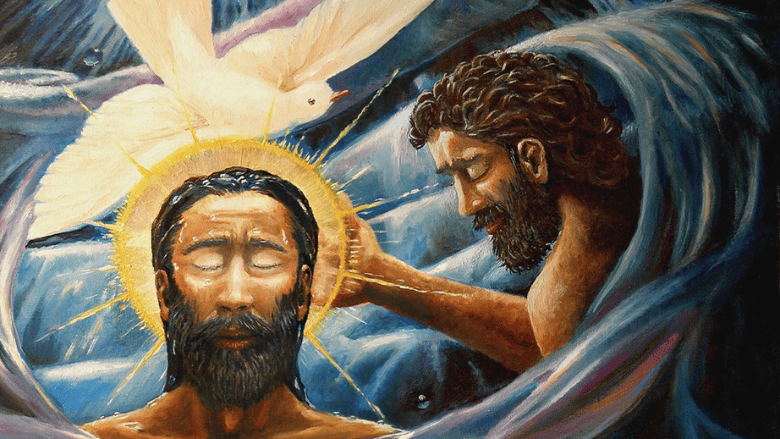
But even if we can’t get those who think you don’t have to go to church to be a Christian to change their minds, what we mustn’t ever do is allow them to change our minds. We mustn’t ever let them convince us that they’re right because they’re not: they’re completely wrong. In fact, I would say that someone who’s decided that they don’t have to go to church to be a Christian, isn’t a Christian at all. That doesn’t mean to say they’re not good people, but they’re not Christians. I want to make it clear that I’m talking here about people who’ve made a conscious decision not to come to church because they think that they don’t need to. I’m not talking about people who want to come to church and would come to church if they could but who can’t for some reason. I’m speaking about those who could but won’t and won’t simply because they think they don’t need to. And I say that they are not Christians because they’ve freely chosen not to follow the example of Christ, to ignore his teachings and commands and, to all intents and purposes, say that Christ was wrong and that they know better than him. That’s a very strong thing to say and I’m sure a lot of people won’t like me saying it, but I think it is a justifiable statement, and we can see something of why in the story of Jesus’ baptism.
This morning, we read St Luke’s account of Jesus’ baptism which follows St Mark’s account very closely. But in St Matthew’s account we read this:
‘…Jesus came from Galilee to the Jordan to John, to be baptized by him. John would have prevented him, saying, “I need to be baptized by you, and do you come to me?” But Jesus answered him, “Let it be so now, for thus it is fitting for us to fulfil all righteousness.”’
Righteousness is what’s right in God’s eyes so fulfilling all righteousness is doing all that God requires of us and for Jesus that included being baptised. We have to remember that John’s was a baptism of repentance for the forgiveness of sin. Those who went to John were being baptised to show their sorrow for sin and their commitment to turn from sin so that they could be forgiven by God. And John was right, Jesus had no need for that kind of baptism. But nevertheless Jesus allowed John to baptise him because it was what God required of people and so it was the righteous thing to do.
But how many people think they can call themselves Christians, followers and imitators of Christ, whilst at the same time only doing what’s right in their own eyes? But when someone thinks that they’re being a Christian simply by doing what they think is right, aren’t they, in effect, saying that their eyes are God’s eyes? Aren’t they then guilty of the same blind self-righteousness that Jesus was so critical of in the Pharisees?
For many people, the most beautiful expression of Jesus’ teaching, of what God requires of us if we’re to fulfil all righteousness, is found in The Beatitudes. And the very first line of that teaching is,
“Blessed are the poor in spirit, for theirs is the kingdom of heaven…”
Blessed are the poor in spirit, the humble, those who know and accept their need of God. Not the proud and self-righteous, those who think that they know better than the rest, who know it all because they see and understand better than anyone else. Jesus said of people like this,
“If you were blind, you would have no guilt; but now that you say, ‘We see’, your guilt remains.”
He called them ‘blind guides’ and warned us not to follow them because,
“…if the blind lead the blind, both will fall into a pit.”
So we can’t allow the blind guides of the ‘You don’t have to go to church to be a Christian’ brigade to lead us astray. And if we call ourselves Christians and think we don’t need to go to church, we have gone astray.
Jesus wasn’t a Christian; he was a Jew. But our Christian faith is founded on his teaching and example, teaching and example that are founded on his faith as a Jew. Ultimately, they’re founded on the law of Moses. At his baptism Jesus said it was right to fulfil all righteousness, to do everything that God requires of us. He also said that he’d come to fulfil the law. So fulfilling the law and doing all that God wants us to do amounts to the same thing. And so we can see Jesus’ whole life, as a fulfilment of what God requires of us. His teaching tells us how to fulfil all righteousness, and his example shows us how to fulfil all righteousness. And we know that Jesus example was to join with others of his faith in public prayer and worship. We read that in the Gospels;
‘…he came to Nazareth, where he had been brought up. And as was his custom, he went to the synagogue on the Sabbath day…’
Jesus knew better than anyone what it means to do what God requires. He knew better than anyone what it means to live a life that’s pleasing to God. And he went to the synagogue every sabbath. And if this was Jesus’ custom, it must also be the custom for anyone who wants to be his disciple, his follower. For Jesus, the place where the faithful met for public prayer and worship was the synagogue. For us, for his followers, for Christians, it’s in church. So coming to church is something Christians must do because if we don’t, we’re not following Christ’s example. And for those who say they don’t need to come to church to be a Christian, they are quite deliberately not following his example so how can they be Christians? Or do they think they know better than Christ himself?
Many would no doubt say what they mean is, that you can be a good person, a loving neighbour, without coming to church. Well yes, you can. But being a good person doesn’t automatically make you a Christian. Following the teaching and example of Christ is what makes you a Christian. And if Christ’s example of attending the synagogue isn’t enough to convince someone of the need to come to church in order to be a Christian, the fact that there’s a Church at all should seal the deal. If the Church wasn’t necessary, why did Christ bother to call it into being at all?
Strictly speaking, ‘Church’ is a poor translation of what Jesus called into being. The word ‘church’ comes from the Greek kuriakon, something dedicated to the Lord. What Christ called into being is the Ecclesia which means ‘those who are called out’. It’s a word that refers to an assembly of people, not to individuals. And we can’t be part of an assembly if we don’t join together with what the rest of the assembly is doing can we? So how can we be part of the people Christ called to be his disciples and apostles if we cut ourselves off from that people by refusing to meet with those people in prayer and worship? The answer, quite simply, is that we can’t. If we want to be part of the Church, the Ecclesia that Christ called into being and called to himself, we have to join in with what the Church is doing, and that includes coming together in church for public prayer and worship. We can’t call ourselves Christians if we cut ourselves off from the assembly of the Church and so neither can we call ourselves Christians if we don’t come to church to be part of the assembly of the Church.
So what can we say when someone tells us that you don’t have to go to church to be a Christian? Well, you could try explaining some of these things to them to help explain to them why they’re wrong. They might listen, but I doubt it. But even if you don’t want to do that for risk of getting into an argument with them about it, or you do try and they won’t listen, at least you’ll know why they’re wrong and you’ll have good reasons for not allowing them to convince you that it’s you who’s got it wrong and leading you astray and away from church and the Church.
Amen.
Propers for The Baptism of the Lord, 12th January 2025
Entrance Antiphon
After the Lord was baptised, the heavens were opened,
and the Spirit descended upon him like a dove,
and the voice of the Father thundered: This is my beloved Son, with whom I am well pleased.
The Collect
Almighty and ever-living God,
who, when Christ had been baptised in the River Jordan,
and as the Holy Spirit descended upon him,
solemnly declared him your beloved Son,
grant that your children by adoption,
reborn of water and the Holy Spirit,
may always be well pleasing to you.
Through our Lord Jesus Christ, your Son,
who lives and reigns with you in the unity of the Holy Spirit,
God for ever and ever.
Amen.
The Readings
Isaiah 40:1-5, 9-11
Psalm: 104:1-4, 24-25, 27-30
Titus 2:11-14, 3:4-7
Luke 3:15-16, 21-22
Post Communion
Nourished with these sacred gifts,
we humbly entreat your mercy, O Lord,
that, faithfully listening to your Only Begotten Son,
we may be your children in name and in truth.
Through Christ our Lord.
Amen.
 Parish Church of St Mark Chadderton